

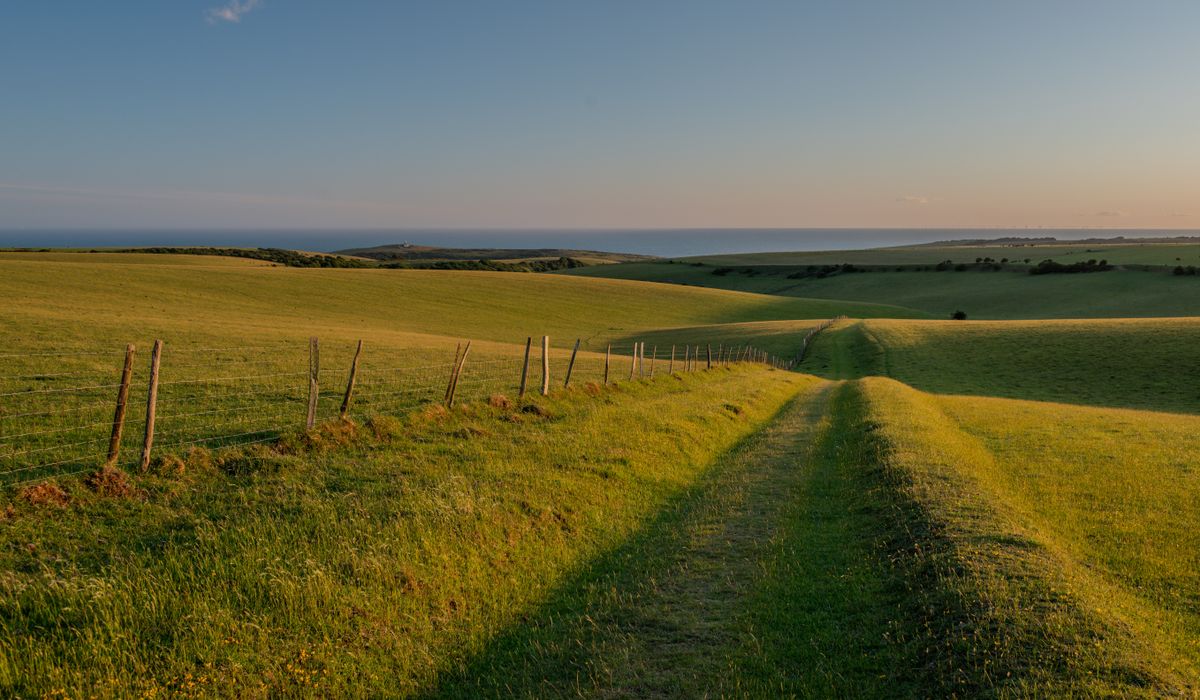
For most people heading to the Hebrides, the trip begins at a pier: a queue of cars, a low rumble of engines, and a stretch of grey-blue water between you and the island. It is worth treating the sailing as part of the holiday rather than an obstacle in front of it. A crossing of an hour or two gives you the shape of the coast, a decent view of seabirds, and a chance to slow down before the road narrows and the single-track sections begin. Plan the ferry with the same care as your accommodation and the whole journey feels far less fraught.
A handful of operators run the Hebridean network, and the mainland ports are the key to understanding it. Broadly, you are choosing between the north coast, the north-west Highlands, Skye, and the Argyll coast around Oban.
Many of these connect with one another, which is why a single island-hopping ticket covering several sailings is often better value than buying each leg separately.
This is the single most important piece of advice in this article. Vehicles are the limiting factor on almost every Hebridean route, and the summer timetable fills up faster than most people expect. For travel between late June and mid-August, and around Easter and the October school break, book as soon as your dates are firm — weeks ahead at minimum, and for the Uig triangle and Ullapool to Stornoway, often months.
Motorhomes, caravans and anything with a trailer need even more notice, because deck space for long vehicles is finite and cannot be squeezed. If you are travelling at short notice, ask about standby arrangements at the port, but do not build a plan around getting on unbooked. Turning up and hoping works far better for foot passengers than for drivers.
Travelling without a car is genuinely rewarding here. Buses meet many sailings, bikes usually go free or for a small charge, and foot passengers can often simply turn up on quieter crossings. Even so, the busiest summer sailings do reach capacity, so it is worth booking a seat in advance on the longer routes, and bike spaces are limited enough that reserving one is wise.
Foot passengers also board last and disembark first, which is a small but satisfying advantage. If you are linking islands, remember that some connections are tight — leave a generous gap rather than planning a same-day chain that depends on two sailings running exactly to time.
Hebridean ferries are robust, but the Atlantic is not always cooperative. Wind is the usual culprit, particularly on the Barra and Uist crossings, where a rolling swell can lead to cancellations at short notice. Fog occasionally disrupts things too. A few piers are tidal, so the ramp angle changes through the day and sailings are sometimes retimed around low water.
Practical habits that help:
For vehicles, aim to be at the port at least 30 minutes before departure, and 45 in peak season. Foot passengers should be at the gangway around 10 to 15 minutes before, though boarding can close earlier on busy sailings. Some ports are full terminals with a café and waiting room; others are little more than a slipway with a shelter, so bring a flask, a waterproof and something to read.
Long-stay parking at mainland ports is common but fills in summer, so check before you rely on it. If you are taking a dog, confirm the pet policy in advance — some routes ask that dogs stay in the vehicle or in an onboard kennel. Above all, allow the crossing to take the time it takes. The islands are not going anywhere, and the view from the deck is the first taste of what you came for.

Coastalisle Real stories, useful guides and the occasional recommendation, all in one calm corner of the web.

Coastalisle Real stories, useful guides and the occasional recommendation, all in one calm corner of the web.

Visit in shoulder season, stay in nearby villages and explore backstreets early in the morning to enjoy this Cornish town at a gentler pace.

Comments
ALina Kelian
19th May 2018 ReplyCoastalisle An honest, everyday look at the things that make life a little better — with advice you can actually use. ullamco laboris nisi ut aliquip ex ea commodo consequat.
Rlex Kelian
19th May 2018 ReplyCoastalisle No rushing, no fuss — just thoughtful notes and practical help, written by people who care. ullamco laboris nisi ut aliquip commodo.
Roboto Alex
21th May 2018 ReplyCoastalisle We spend our time finding what works so you don't have to, and sharing exactly what made the difference. ullamco laboris nisi ut aliquip ex ea commodo consequat.