

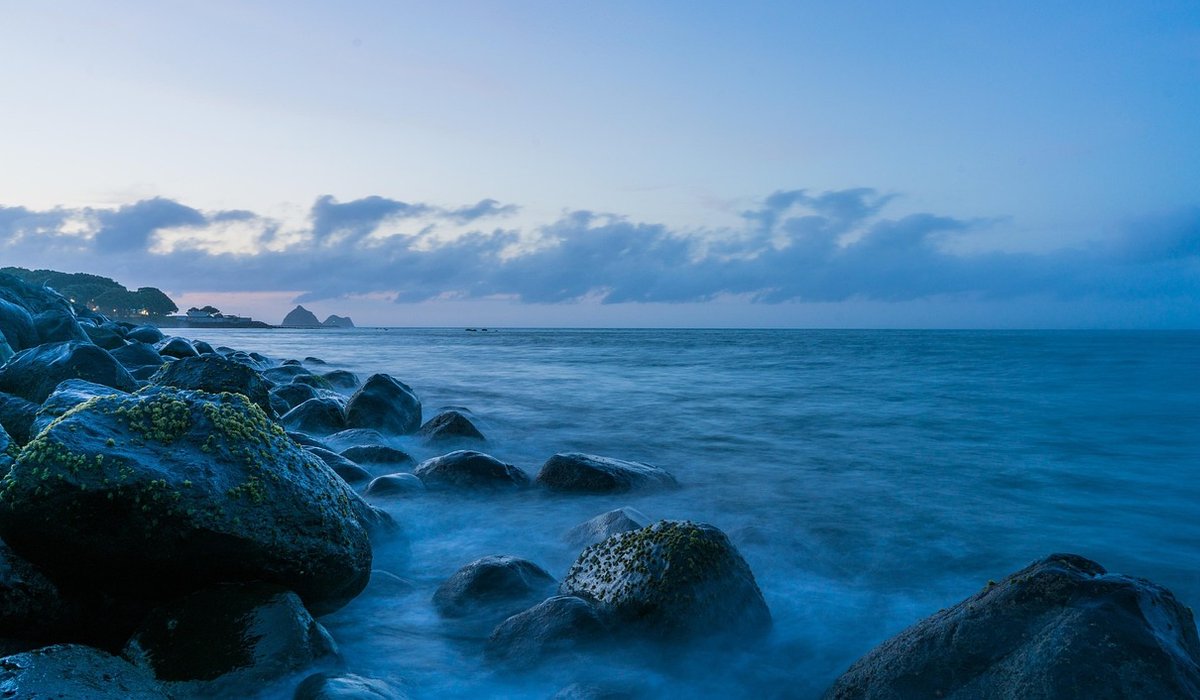
There is a particular pleasure in finishing a coastal walk with wet boots, a wind-burned face and a pint set down on a windowsill above a harbour. Britain is unusually well supplied with these places: old inns built for fishermen, smugglers, lifeboat crews and, more recently, the rest of us. The best of them have not been prettified into oblivion. They still have slate floors, a fire lit out of season, a chalkboard of whatever came off the boat that morning, and a landlord who will tell you exactly when the tide turns.
What follows is not a list of names — those change hands, close for refurbishment and reopen under new management faster than any guide can keep up. Instead, here is how to find the good ones, region by region, and what to expect when you do.
The south-west sets the template. Harbour-side inns in Cornwall tend to be small, low-ceilinged and booked solid in August, so reserve ahead or visit in May, June or September, when the light is still long and the crowds have thinned. Look for pubs with their own quay or slipway access, usually a sign that the kitchen is buying from boats rather than wholesalers.
Expect crab sandwiches on granary bread, mussels in cider, whole plaice with butter and capers, and a changing board of local ales — often a pale, hoppy number and a darker, maltier one. In Devon, the estuaries around the Dart and the Salcombe approach are the places to aim for: pubs with terraces looking over mudflats that fill twice a day, and menus that lean on scallops and hand-dived shellfish.
Pembrokeshire's coastal path delivers you to villages where the pub is genuinely the only thing open, and a very good thing too. The tradition here is hearty rather than fancy: Welsh rarebit, laverbread with bacon, lamb from the Preseli hills, and fish pie under a thick lid of mash. Many of these pubs are dog-friendly to the point of indulgence, with water bowls by the door and a jar of treats on the bar.
On Anglesey and along the Menai Strait, the emphasis shifts to shellfish and sea views across to Snowdonia. Ask about the tide race in the strait — locals will happily explain why the water moves the way it does, usually while refilling your glass. Cardigan Bay has the added draw of dolphin sightings from headland benches, so a pint at a cliff-top beer garden can turn into an unexpectedly long afternoon.
This is where sea-view pubs become something closer to a necessity. On the west coast and in the Hebrides, the pub may also be the shop, the post office and the place where the ferry timetable is argued over. Expect langoustines landed that morning, squat lobsters, smoked haddock, and an admirable commitment to local gin and malt.
Practicalities matter more here than anywhere else. Ferry timetables are the spine of any itinerary, and a missed sailing can mean an extra night — which is rarely a hardship, provided you have booked a bed. Midges are a genuine consideration from June to August, particularly at dusk; a west-facing beer garden can become unbearable just as the sun goes down. Carry repellent and don't be proud about retreating indoors. Also note that Sunday opening on some islands is either limited or non-existent, and that many pubs shut for a fortnight in the shoulder season.
The east coast does sea views differently. Instead of Atlantic sunsets you get wide, pale skies, working harbours and a briskness that makes a fireside seat feel earned. In Yorkshire, the old fishing towns offer pubs above the harbour wall where you can watch boats come in over a plate of haddock and chips. Northumberland's villages are quieter, with long sandy bays, castle ruins and pubs that feel like front rooms with a licence.
Norfolk and the Wash trade in a different pleasure altogether: salt marshes, big skies and pubs overlooking creeks where the water disappears entirely at low tide. Oysters, crab and locally smoked fish are the things to order, and the ales tend to be gentler and maltier than the hop-forward beers of the south-west.
Britain's sea-view pubs are not a uniform experience. Some are polished gastropubs with wine lists; others are single-room bars with a coal fire and a tabby cat on the settle. Both are worth the journey, and both are best approached without too much of a plan — a tide, a walk and an open door are usually enough.

Coastalisle Real stories, useful guides and the occasional recommendation, all in one calm corner of the web.

Coastalisle Real stories, useful guides and the occasional recommendation, all in one calm corner of the web.

Boat trips from Seahouses allow close encounters with puffins, seals and nesting seabirds, but keep a respectful distance and follow landing rules.

Comments
ALina Kelian
19th May 2018 ReplyCoastalisle An honest, everyday look at the things that make life a little better — with advice you can actually use. ullamco laboris nisi ut aliquip ex ea commodo consequat.
Rlex Kelian
19th May 2018 ReplyCoastalisle No rushing, no fuss — just thoughtful notes and practical help, written by people who care. ullamco laboris nisi ut aliquip commodo.
Roboto Alex
21th May 2018 ReplyCoastalisle We spend our time finding what works so you don't have to, and sharing exactly what made the difference. ullamco laboris nisi ut aliquip ex ea commodo consequat.