

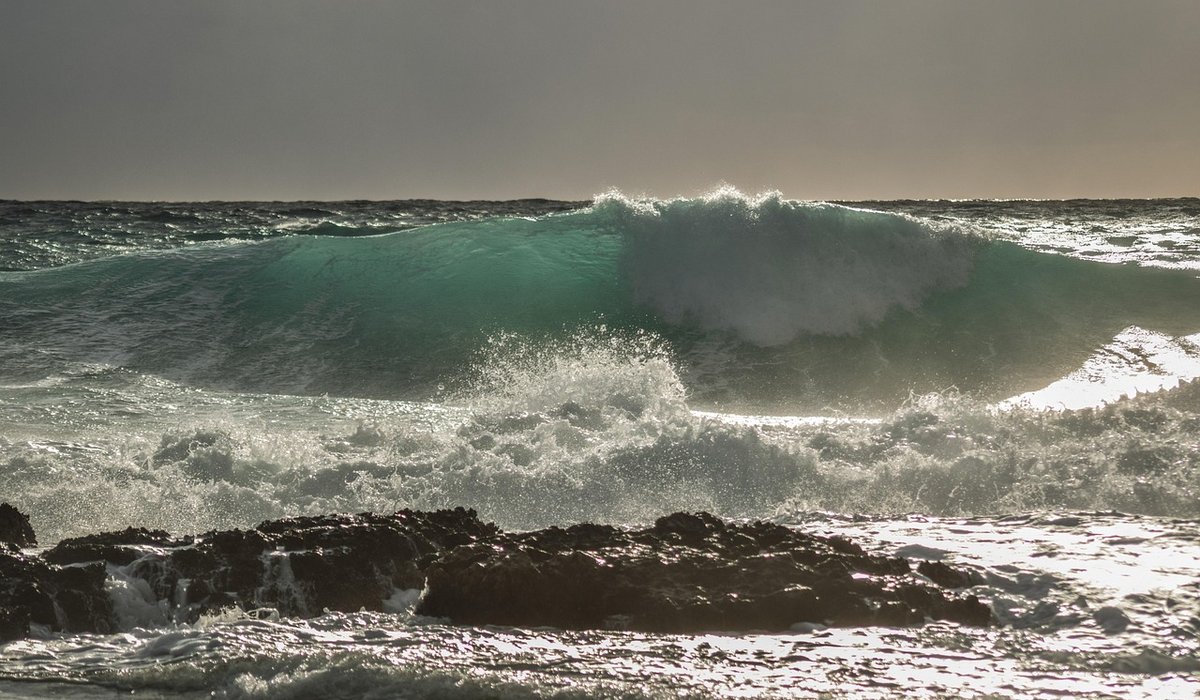
A vast sandy beach is lovely for castles and kites, but it is the rocky shore at low tide that turns a family day out into something closer to an expedition. Where boulders and ledges meet the sea, every shallow pool becomes a miniature habitat: a nursery for young fish, a larder for wading birds, and a gripping, endlessly re-readable story for children with a net and a bucket.
The beauty of it is the pace. You do not need to walk far, spend much, or plan elaborate entertainment. A single promising pool can occupy a family for an hour. Children who would rarely sit still on a towel will crouch happily over a prawn for twenty minutes, and the questions come thick and fast: what is that, why is it hiding, where has the anemone gone? Take a small notebook and you will be surprised how much you learn alongside them.
The golden rule from the start is look, don't lift. Prising limpets off rocks or turning over every stone in sight does real damage. A gentle approach, with everything returned exactly as it was found, still yields plenty of sightings.
Everything on a rocky shore depends on the tide, so check a tide table for your chosen beach before you set off — and check it again the night before, because timings shift daily. The richest pools appear on spring tides, the lowest lows that arrive around the new and full moon. Neap tides leave far less exposed, so save your big rock-pooling day for a spring low if you can.
Aim to arrive about an hour and a half before low water and to leave the lowest rocks no later than an hour after it. The sea returns faster than most people expect, and it can quietly fill the channel behind you. Keep an eye on the horizon, and never let children work below a headland they cannot walk back around. Wet rock, particularly the green algae on shaded ledges, is genuinely slippery — walk slowly, keep one hand free, and stay well back from waves breaking on exposed faces.
Wind matters too. An onshore breeze at low tide can send spray over the very ledges you hoped to explore, so pick a sheltered, west or south-facing bay when the weather is brisk.
Almost any rocky stretch will do, but some areas are exceptional. The far west of Cornwall and the Isles of Scilly offer clear water and warm south-westerly species. Pembrokeshire's and the Gower's limestone and sandstone shores are wonderfully complex, full of crevices. Northumberland's rock scars around the Farne Islands are superb for crabs and starfish, while Scotland's west coast and the Hebrides have sheltered, tideless-looking pools teeming with life.
Further south, the chalk and flint shores of Kent, Sussex and the Isle of Wight, the rock platforms of Anglesey, and Northern Ireland's Strangford Lough all repay a visit. Islands such as Lundy and the Isle of Wight add a ferry crossing to the adventure, which is often the part children remember longest.
Expect beadlet anemones like small red jellies, snakelocks anemones with waving green tentacles, limpets, periwinkles, topshells, shore crabs, hermit crabs in borrowed shells, common prawns, blennies, gobies and the occasional butterfish. In deeper gullies you may spot a velvet swimming crab, and in late summer the odd mermaid's purse, the egg case of a skate or dogfish.
Handle anemones only with wet hands, keep everything in the shade, and return each creature to the exact pool and spot it came from within twenty minutes or so. Replace every stone you lift, undersides down, because the life on that dark surface needs it that way. Nothing should go home in a bucket, however tempting.
Give each child a job: one carries the tray, one keeps the tally, one reads the tide table. A simple printed list of six creatures to find turns a wander into a mission. Photograph the best finds and draw them that evening, when the details are still fresh, and finish with chips, hot chocolate, or whatever your family treats are — salty, sandy and well earned.

Coastalisle Real stories, useful guides and the occasional recommendation, all in one calm corner of the web.

Coastalisle Real stories, useful guides and the occasional recommendation, all in one calm corner of the web.

Expect characterful interiors, unpredictable Wi-Fi and often a short walk to the sea, plus log fires and local pubs in many rural locations.

Comments
ALina Kelian
19th May 2018 ReplyCoastalisle An honest, everyday look at the things that make life a little better — with advice you can actually use. ullamco laboris nisi ut aliquip ex ea commodo consequat.
Rlex Kelian
19th May 2018 ReplyCoastalisle No rushing, no fuss — just thoughtful notes and practical help, written by people who care. ullamco laboris nisi ut aliquip commodo.
Roboto Alex
21th May 2018 ReplyCoastalisle We spend our time finding what works so you don't have to, and sharing exactly what made the difference. ullamco laboris nisi ut aliquip ex ea commodo consequat.