

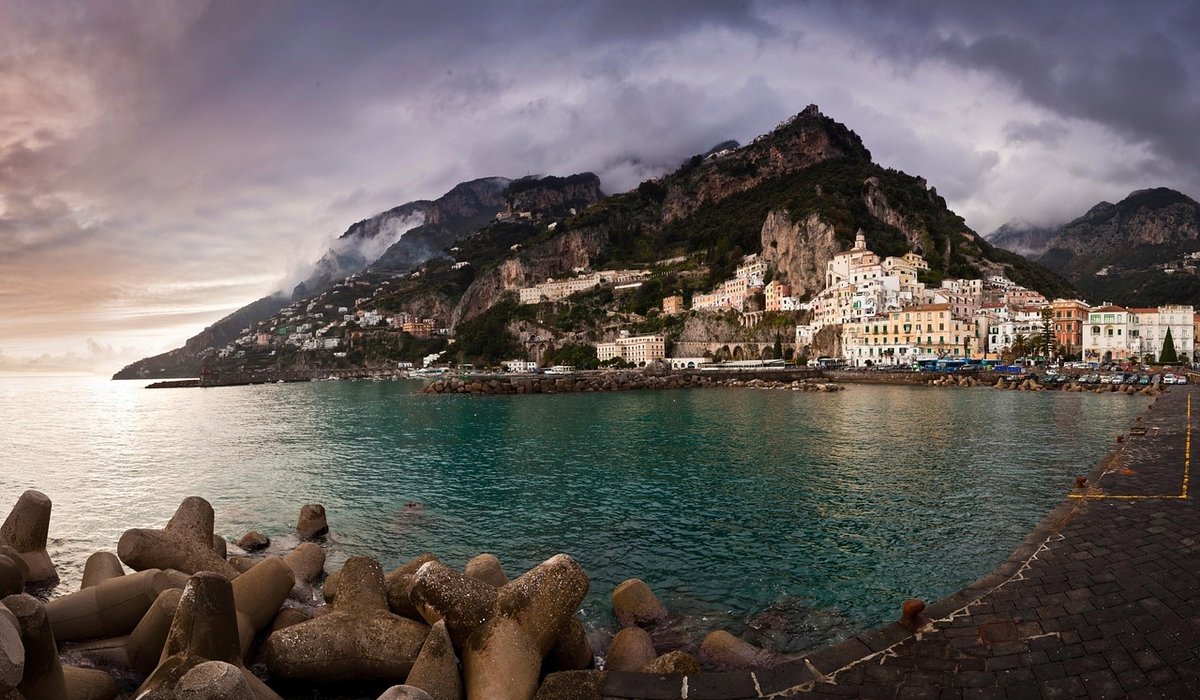
The Wales Coast Path runs roughly 870 miles from the Dee estuary to the Severn, and it is one of the finest long-distance walks in Britain. It is also, for the most part, a footpath. Cycling directly along it is not permitted, and where sections are shared with signed cycle routes you will usually be on a wide, surfaced surface rather than the clifftop singletrack that walkers rave about.
That is not a disappointment — it is an invitation. Running alongside, behind and occasionally right through the same coastline is a quietly brilliant network of signed cycle routes, former railway lines and hedge-lined lanes that deliver you to the same headlands, the same estuaries and, very often, the same cafés. The trick is to stop thinking of the coast path as your route and start thinking of it as your companion: a ribbon of scenery you ride parallel to, dipping in and out of it whenever a lane allows.
A word of honesty before you plan anything. Welsh coastal lanes can be narrow, steep and hemmed in by high banks, and you will meet tractors, trailers and the occasional startled sheep. Choose your bike accordingly: a gravel or touring setup with decent brakes and tyres of 32mm or wider will cope with almost everything the lanes and traffic-free trails throw at you.
Anglesey is the gentlest introduction to Welsh coastal cycling. The island is largely low-lying, the prevailing wind is tempered by the shelter of the mainland, and much of the coastline is reachable on lanes carrying little more than farm traffic and holidaymakers.
The standout traffic-free stretch is the Lon Las Cefni, a former railway line running south from Llangefni through the Malltraeth marshes. It is flat, surfaced, family-friendly and delivers you to within a mile or two of Newborough Forest and the dunes at Ynys Llanddwyn, where the views across the Menai Strait to Snowdonia are worth the whole trip.
The Llŷn is Wales at its most quietly beautiful: a long arm of farmland and small hills pointing out into the Irish Sea, with villages such as Abersoch, Aberdaron and Morfa Nefyn strung along its edge. The lanes here are mostly single-track with passing places, and the climbs are short and sharp rather than long and punishing.
Ride from Pwllheli west to Llanbedrog and around to Aberdaron for a day that combines sheltered coves with exposed, exhilarating coast. Note that the lanes grow busier in August; May, June and September are far kinder.
Further south, Cardigan Bay offers Aberystwyth as an excellent base. From the town you can follow the estuary to Borth and Ynyslas, where the dunes meet the Dyfi, or head inland on the traffic-free Rheidol Trail if the weather turns. The coastal lanes south towards Aberaeron and New Quay are rolling rather than severe, with plenty of villages for a mid-ride stop.
Pembrokeshire is the big one, and the walking coast path here rightly hogs the attention. Cyclists get something different but equally memorable: the Brunel Trail, a traffic-free route following the old railway from Neyland along the Cleddau estuary towards Haverfordwest, plus a web of lanes reaching beaches like Freshwater West, Broad Haven and Stackpole.
The lanes around Tenby, Manorbier and Carew are especially rewarding — undulating, hedged and quiet outside high summer, with castle ruins and Norman churches appearing at the most unlikely bends. Be warned that some of the lanes inland from the coast are genuinely steep. A 34-tooth cassette is your friend.
The Millennium Coastal Path between Llanelli, Burry Port and Pembrey is one of the best traffic-free coastal rides in Wales: flat, well surfaced and looking straight across the Burry Inlet to the Gower. It is ideal for families, for e-bikes and for anyone rebuilding confidence after a long break from cycling.
From Swansea, the bay path runs out towards Mumbles with the sea on one side and the sweep of Swansea Bay on the other. Beyond that, the Gower lanes take you to Oxwich, Port Eynon and Rhossili, though they narrow considerably in summer and demand patience and good manners.
A few details make an enormous difference to how much you enjoy this.
Ride it in late spring or early autumn if you can, take your time, and let the coast path do the navigating while you do the enjoying. Welsh cakes at the halfway point are not optional.

Coastalisle Real stories, useful guides and the occasional recommendation, all in one calm corner of the web.

Coastalisle Real stories, useful guides and the occasional recommendation, all in one calm corner of the web.

Link ferries, buses and trains to create car-free itineraries across the Scottish islands, saving money and reducing your environmental impact.

Comments
ALina Kelian
19th May 2018 ReplyCoastalisle An honest, everyday look at the things that make life a little better — with advice you can actually use. ullamco laboris nisi ut aliquip ex ea commodo consequat.
Rlex Kelian
19th May 2018 ReplyCoastalisle No rushing, no fuss — just thoughtful notes and practical help, written by people who care. ullamco laboris nisi ut aliquip commodo.
Roboto Alex
21th May 2018 ReplyCoastalisle We spend our time finding what works so you don't have to, and sharing exactly what made the difference. ullamco laboris nisi ut aliquip ex ea commodo consequat.