

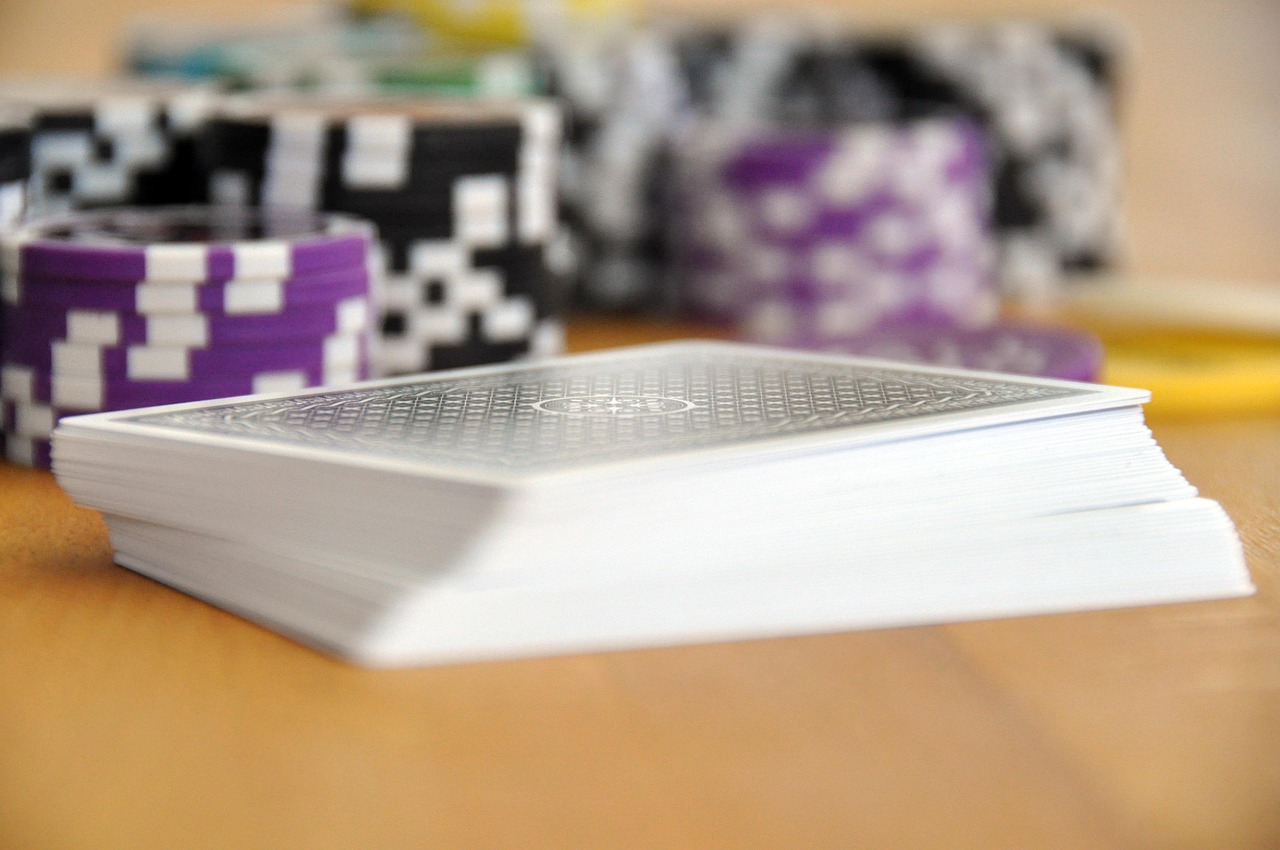
You've probably felt it. You're 200 spins deep into a slot, your balance is bleeding out in slow, painful trickles, and then—nothing. Meanwhile, a streamer hits a 5,000x max win on the same game in twelve spins. Before you accuse the game of being rigged, understand this: you're almost certainly playing a high-volatility slot, and it's behaving exactly as designed. Volatility is the single most misunderstood concept in casino gaming, and getting it wrong is why so many players abandon games right before they pay out.
Volatility describes how a slot distributes its payouts over time. It has nothing to do with the house edge or your long-term expected return—that's the RTP, an entirely separate number. Two slots can both have a 96% RTP, but one may pay out small amounts constantly while the other sits silent for 500 spins before dropping a monster.
Think of it like two coworkers earning the same $60,000 salary. One gets $1,150 every week. The other gets nothing for eleven months, then a $60,000 bonus in December. Same annual income, radically different cash-flow experience. Slots work the same way. The math doesn't change; the rhythm does.
Here's a rough framework the industry uses:
A high-volatility slot might have a hit frequency of just 15%. That means 85% of your spins lose. On a game with a 96% RTP and a 1-in-50,000 chance of the max win, you could realistically play 1,000 spins and never see anything above 20x. This isn't a malfunction; it's the mathematics that make that 50,000x jackpot possible in the first place.
Compare that to a low-volatility slot with a 45% hit frequency. You'll win nearly every other spin, but most of those wins will be smaller than your bet. Many new players prefer this because it feels like progress, even though their balance still slowly erodes at the same rate as the high-volatility player's.
This is the trap. Feeling like you're winning and actually winning are two different things. A 0.5x "win" on a $1 spin gives you 50 cents back on a dollar you risked. It's a loss dressed up as a payout, and low-volatility games are full of them. Those comparing choices often turn to สล็อต.
Volatility dictates how much money you need sitting in your account. This is where most players get destroyed.
If you have $50 and sit down at a high-volatility slot, you're gambling on borrowed time. Say you're betting $0.50 per spin. That's only 100 spins of runway. A game with an average bonus trigger of 1-in-250 spins will consume your entire bankroll before the feature even has a chance to appear. You'll never reach the moment you were actually paying for.
A general rule among experienced players is to buy at least 200–300 spins worth of bankroll for medium volatility, and 400–500 spins for high volatility. On a $1 bet, that means $400–$500 in your account if you want a legitimate shot at the bonus round. If that feels excessive, drop your stake. A slot doesn't care whether you're betting 10 cents or 10 dollars—the multipliers scale proportionally.
This concept isn't exclusive to slots. Poker players live with it constantly through variance. A skilled tournament player can go dozens of events without a deep run, then final-table three in a row. The edge is real; the short-term results are noise.
In sports betting, backing heavy favorites at 1.20 odds is the low-volatility play—steady, small returns, occasional brutal upsets. Betting longshots at 8.00 is high-volatility—you'll lose most weeks, but one correct call can wipe out months of losses. Neither approach is inherently smarter. It comes down to your tolerance, your bankroll, and what you're actually trying to achieve.
Ask yourself three honest questions:
Most slots now display a volatility rating (often a lightning bolt icon or a 1–5 scale) in their info panel. Use it. There's no shame in recognizing that a 5-bolt slot will eat your $30 deposit in twenty minutes. That's what it's designed to do.
Volatility isn't good or bad. It's a personality type, and your job is to find the one that matches how you play, how much you've got, and what you're hoping to walk away with. The player who understands that a 15% hit frequency slot is supposed to feel empty will enjoy the bonus round far more than the one who keeps topping up in frustration. Next time you load a game, check the volatility before you spin. Your bankroll—and your sanity—will thank you.

Coastalisle Real stories, useful guides and the occasional recommendation, all in one calm corner of the web.

Coastalisle Real stories, useful guides and the occasional recommendation, all in one calm corner of the web.

From Tennyson Down to the Needles, these well-marked routes offer clifftop views, woodland shade and plenty of pubs for a midday rest.

Comments
ALina Kelian
19th May 2018 ReplyCoastalisle An honest, everyday look at the things that make life a little better — with advice you can actually use. ullamco laboris nisi ut aliquip ex ea commodo consequat.
Rlex Kelian
19th May 2018 ReplyCoastalisle No rushing, no fuss — just thoughtful notes and practical help, written by people who care. ullamco laboris nisi ut aliquip commodo.
Roboto Alex
21th May 2018 ReplyCoastalisle We spend our time finding what works so you don't have to, and sharing exactly what made the difference. ullamco laboris nisi ut aliquip ex ea commodo consequat.